
Oppo Find X9 Ultra vs iPhone 17 Pro Max: The Silicon-Carbon Battery Revolution

The New Frontier of Smartphone Power
The smartphone industry is currently witnessing a widening divide in battery technology. While industry giants like Apple and Samsung continue to rely on traditional lithium-ion chemistry, a new wave of manufacturers—led by Oppo and Xiaomi—have pivoted to silicon-carbon battery technology. This shift isn’t just a minor iteration; it’s a fundamental change that allows for significantly higher energy density, enabling phones to pack more power without drastically increasing the device’s footprint.
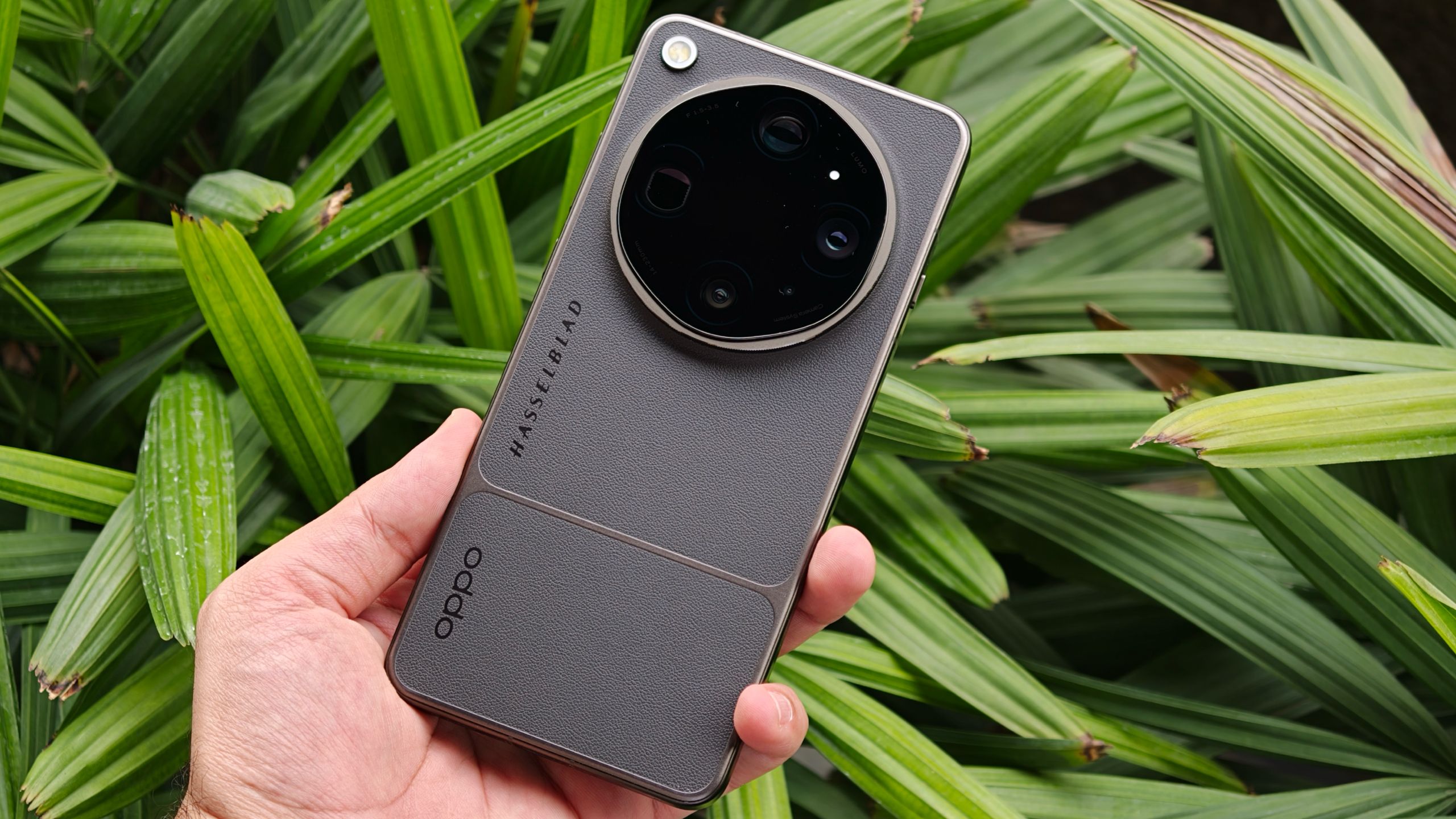
In recent tests, the Oppo Find X9 Ultra has demonstrated a commanding lead over the iPhone 17 Pro Max, proving that the silicon-carbon approach is effectively obliterating traditional battery standards in both endurance and charging speed.
Hardware Breakdown: A Massive Capacity Gap
To understand the performance gap, one must look at the raw specifications. The iPhone 17 Pro Max represents a step forward for Apple, featuring an estimated battery capacity of 4,823mAh (with SIM tray) or 5,088mAh (U.S. eSIM version). Apple has also introduced vapor cooling for the first time to manage the heat generated by the A19 Pro chipset and bumped wired charging speeds up to 40W.
However, the Oppo Find X9 Ultra operates on a completely different scale. It features a massive 7,050mAh silicon-carbon battery, making it one of the largest capacities ever seen in a flagship ‘Ultra’ device. Coupled with the Snapdragon 8 Elite Gen 5 chipset and a 3D Cryo-velocity cooling system, the hardware is designed for maximum sustained performance and longevity.
Real-World Testing: The YouTube Endurance Challenge
To determine if these numbers translate to real-world use, both devices were subjected to a rigorous YouTube playback test. Both phones played the same 1080p video over Wi-Fi with brightness set to approximately 50% for three continuous hours, starting from a 100% charge.
- iPhone 17 Pro Max: Ended the test at 90%. While this is an impressive result, it still falls short of its competitor.
- Oppo Find X9 Ultra: Ended the test at 94%.
While a 4% difference might seem marginal, when extrapolated over a full day of mixed usage, it represents a significant advantage. The Oppo device’s ability to lose only 6% of its charge over three hours of continuous high-definition streaming provides immense confidence for power users.
Charging Speeds: Fast vs. Ultra-Fast
Battery capacity is only half the battle; how quickly that battery refills is equally critical. The iPhone 17 Pro Max utilizes a 40W charger, while the Oppo Find X9 Ultra leverages 100W SuperVOOC technology.
Charging Results from 0%:
| Device | 15 Minutes | 30 Minutes |
|---|---|---|
| iPhone 17 Pro Max | 35% | 64% |
| Oppo Find X9 Ultra | 44% | 74% |
The Oppo Find X9 Ultra not only charges faster but does so while filling a much larger 7,050mAh cell, making its efficiency even more remarkable compared to Apple’s smaller battery.
The Bottom Line: Is the Era of Lithium-Ion Ending?
The results are clear: the Oppo Find X9 Ultra effectively crushes the iPhone 17 Pro Max in the power department. While Apple has made commendable strides in efficiency and thermal management, they are fighting a losing battle against a superior chemistry. Until Apple and Samsung adopt silicon-carbon technology, they will likely remain behind the curve in terms of raw battery endurance and charging velocity. For consumers prioritizing battery life above all else, the shift toward Eastern manufacturers’ new battery tech is becoming impossible to ignore.