
The Secret to a Weed-Free Lawn: Professional Gardeners Reveal the Only Way to Permanently Stop Weeds

The Endless Battle Against Lawn Weeds
For many homeowners, the struggle against stubborn weeds feels like a losing game. From the invasive sprawl of dandelions to the persistent growth of thistles, weeds not only disrupt the visual appeal of a lush green yard but can also choke out healthy grass, leaving the lawn patchy and thin. While many turn to quick-fix chemical sprays or temporary DIY hacks, professional gardeners insist that the secret to permanent removal lies in a more strategic, two-fold approach.
Strategy 1: Attack the Root of the Problem
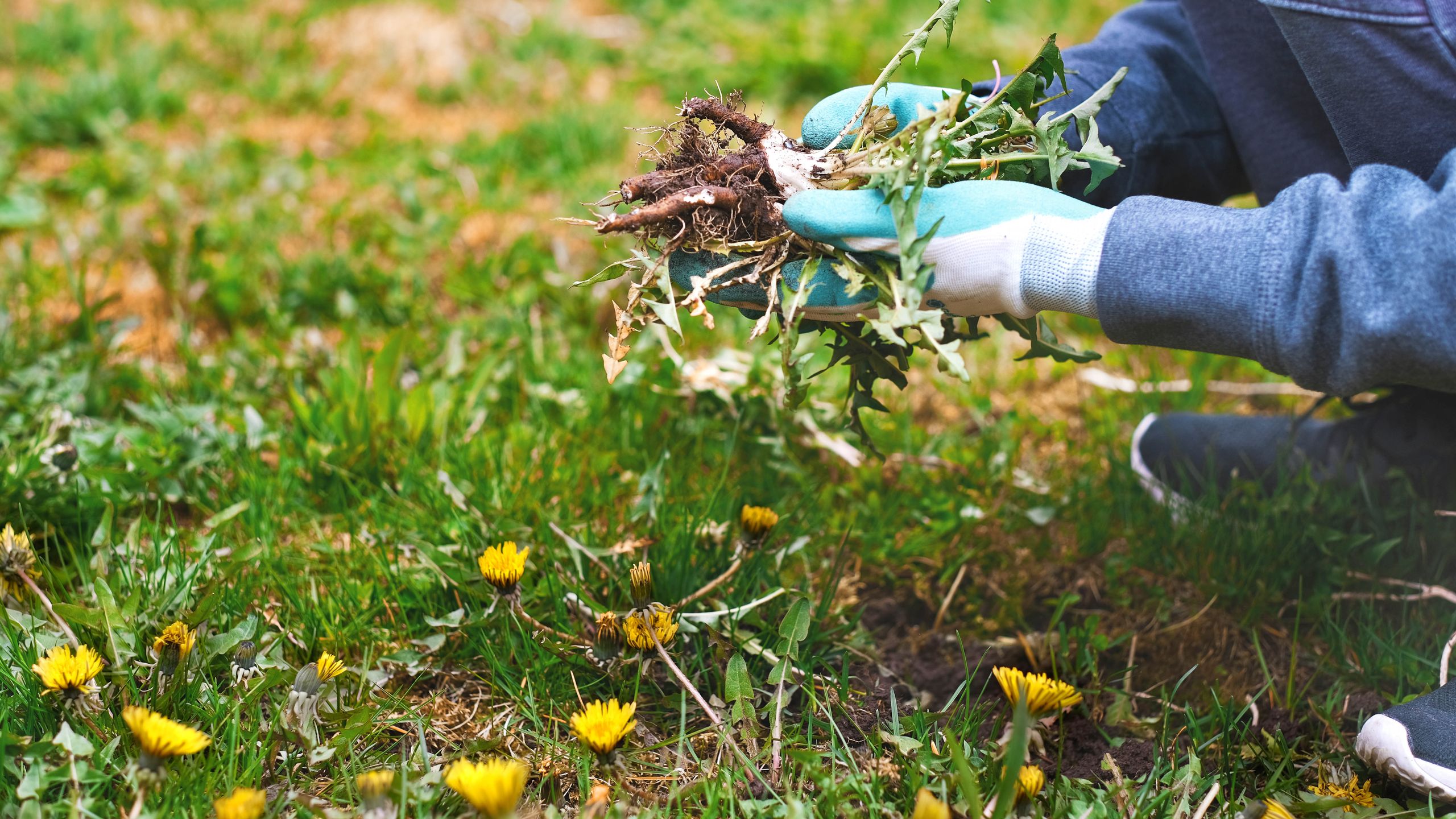
The most critical piece of advice from lawn care experts is simple but often ignored: you must remove the entire root system. Most homeowners make the mistake of simply snapping off the top of the weed, which only encourages the plant to grow back stronger.
Dealing with Taproots
Weeds like dandelions and thistles possess deep taproots that store energy and act as a survival mechanism. According to Angelika Zaber, a lawn care specialist at Online Turf, failing to remove the entire taproot ensures the weed will return. To do this effectively, experts recommend using a durable weeding tool or a hand fork. The technique involves pushing the blade 4-6 inches deep into the soil adjacent to the stem and levering the entire plant upward to ensure no root fragments remain.
The ‘Energy Exhaustion’ Method
If digging isn’t immediately possible, experts suggest cutting new leaves as soon as they appear. This forces the plant to deplete the energy stored in its root system to produce new foliage, effectively starving the root and killing the plant over time.
Strategy 2: Crowding Out the Competition
Removing existing weeds is only half the battle; the other half is ensuring they don’t come back. The most effective long-term solution is to build a lawn so healthy and thick that weeds simply have no room to take root.
The ‘One-Third’ Mowing Rule
One of the most common mistakes homeowners make is mowing their grass too short. Professionals recommend the ‘one-third rule’: never cut more than one-third of the grass blade height in a single session. Keeping the grass slightly longer reduces stress on the turf and creates a dense canopy that naturally shades out weed seedlings, preventing them from germinating.
Holistic Lawn Maintenance
Gene Caballero, co-founder of GreenPal, emphasizes a comprehensive approach to permanent weed control. This includes:
- Pre-emergent Treatment: Using pre-emergent herbicides to stop weed seeds from sprouting before they even break the surface.
- Deep Watering: Watering deeply and less frequently to encourage grass roots to grow deeper into the soil, strengthening the turf.
- Overseeding: Regularly seeding thin or bare patches to eliminate the open soil that weeds love to colonize.
Conclusion: Prevention Over Cure
While selective herbicides can be a helpful tool for spot treatment, they are most effective when used as part of a broader maintenance plan. By combining thorough root extraction with proactive lawn care, homeowners can shift from a cycle of constant weeding to enjoying a permanently lush, green, and weed-free sanctuary.